Diabetes and Medicare: Insulin and Part D Coverage
-
Last Updated August 24, 2026
Managing diabetes comes with many daily challenges, and for those approaching Medicare eligibility, one of the biggest questions is how the program covers insulin and other related medications. The good news is that Medicare has made important changes in recent years that lower costs and expand access to life-saving drugs. Still, understanding how coverage works can be confusing, especially when comparing different plans.
This is where working with a licensed Medicare agent or broker can make a real difference. They can walk you through your options, check if your prescriptions are covered, and ensure you’re enrolled in the plan that best fits your needs.
Why Diabetes Coverage Matters So Much
Diabetes is one of the most common chronic conditions among older adults, and the number of beneficiaries who need daily medication is significant. Many also manage related conditions like chronic back pain. Insulin, oral medications like metformin, and glucose monitoring supplies are essential for keeping blood sugar under control. Without proper coverage, the costs can quickly become overwhelming.
Before Medicare reforms, many people paid hundreds of dollars each month just for insulin. That financial burden sometimes led patients to skip doses or cut back, which can be extremely dangerous. Recognizing this, Medicare has taken steps to ensure insulin is affordable and accessible for everyone who needs it.
Medicare Part D and Insulin
Part D is the portion of Medicare that covers prescription drugs. If you enroll in a standalone Part D plan or choose a Medicare Advantage plan that includes drug coverage, your insulin and many other diabetes-related prescriptions are included.
Here’s what’s important to know about how coverage works:
-
Insulin Price Cap: Since 2023, Medicare Part D plans cannot charge more than $35 for a one-month supply of insulin that is covered by the plan. This cap applies whether you are in the deductible phase, initial coverage, or the coverage gap (often called the “donut hole”).
-
Variety of Insulins: Not every brand or type of insulin is included in every plan, but multiple options are available. Medicare is also expanding coverage for newer medications—learn more about GLP-1 coverage for weight management and diabetes. Keep in mind Medicare covers GLP-1 drugs when they are prescribed to treat diabetes; they are not covered for weight loss alone. Beneficiaries should check the plan’s formulary (drug list) to ensure their insulin is covered.
-
No Deductible for Insulin: Even if your plan has a deductible, the $35 monthly cap applies immediately. You won’t need to meet the deductible first for insulin purchases.
This change has made a huge difference for people with diabetes. For example, someone who previously paid $120 per month for their insulin now pays no more than $35, saving over $1,000 a year.

I've had the same Part D plan for years, but this year my insulin shot up in price. Did the Inflation Reduction Act not fix this yet?
The Inflation Reduction Act implemented a significant change to insulin costs for Medicare beneficiaries. As of January 1, 2023, the out-of-pocket cost of insulin is capped at $35 per month for each covered insulin product under Medicare Part D. This cap also applies to insulin covered under Medicare Part B (e.g., for traditional insulin pumps) as of July 1, 2023.What Other Diabetes Supplies Does Medicare Cover?
Insulin is only part of the picture. Many people also take oral medications or use supplies such as test strips, lancets, and continuous glucose monitors. Here’s how Medicare covers these items:
-
Oral Diabetes Medications: Most oral drugs, such as metformin, sulfonylureas, or DPP-4 inhibitors, are covered under Part D plans. Costs will vary depending on your plan’s formulary and tiered pricing.
-
Diabetes Supplies for Injecting or Inhaling Insulin: Needles, syringes, alcohol swabs, and inhaled insulin devices are covered under Part D.
-
Blood Sugar Testing Supplies: Test strips, lancets, and glucose monitors are generally covered under Part B (if prescribed by your doctor and used for diabetes management). This means your costs are usually 20% of the Medicare-approved amount after meeting the Part B deductible.
-
Continuous Glucose Monitors (CGMs): Medicare Part B covers certain CGMs if you meet Medicare's medical criteria. This includes both the device and the supplies that go with it.

Can Medicare cover wearable medical devices like insulin pumps or seizure monitors for chronic conditions?
What’s Covered Under Medicare Part BInsulin Pumps & Continuous Glucose Monitors (CGMs)
- Covered as Durable Medical Equipment (DME) if prescribed by a doctor.
- Includes:
- Insulin pumps
- CGM sensors and transmitters
- Blood glucose meters, test strips, and lancets
- You typically pay 20% coinsurance after meeting your Part B deductible.
Seizure Monitors
- May be covered if deemed medically necessary for managing epilepsy or other seizure-related conditions.
- Requires:
- A prescription from your doctor
- Documentation showing the device is essential for treatment or safety
- Use of an approved supplier that accepts Medicare assignment.
Important Notes
- Not all brands or models are covered. You must confirm that the device is on Medicare’s approved list and that your supplier is in-network.
- Don’t buy first and hope for reimbursement. Always verify coverage before purchasing to avoid unexpected costs.
- If you have a Medigap plan, it may help cover the 20% coinsurance.
How Medicare Advantage Plans Cover Diabetes Care
If you’re enrolled in a Medicare Advantage plan (Part C), you’ll receive your Part D drug coverage through that plan. The $35 insulin cap applies here as well. Advantage plans may also include additional benefits that help people with diabetes, such as fitness programs, nutrition counseling, or disease management support.
However, formularies still vary. If you have a preferred insulin or a specific medication regimen, it’s important to check the details of each plan before enrolling.

Are there Medicare plans that also help with chronic conditions like diabetes or high blood pressure that run in my family?
Yes, there are Medicare plans designed to provide additional support for people with certain chronic health conditions. These are called Chronic Condition Special Needs Plans (C-SNPs). If you have a qualifying condition—such as diabetes, chronic heart disease, or other eligible chronic illnesses—you may be able to enroll in a plan that offers benefits and care coordination.Keep in mind that having a family history of a condition alone does not qualify you. You must have a diagnosis of an eligible chronic condition to enroll in a C-SNP.
If you have been diagnosed with a chronic condition, I'd be happy to review your options and see if you qualify for a plan that could better meet your healthcare needs.
Extra Help and Savings Programs
For those with limited income and resources, Medicare’s Extra Help program can reduce prescription costs even further. Beneficiaries who qualify often pay only a few dollars for insulin and other medications, which can be well below the $35 cap depending on their subsidy level. State programs and manufacturer assistance programs may also provide additional savings.
The $2,000 Part D Out-of-Pocket Cap
Starting in 2025, Part D added an annual out-of-pocket cap of $2,000 on covered prescription drugs, according to Medicare.gov. Once your covered drug spending hits that limit in a calendar year, you pay $0 for the rest of the year on covered medications.
This matters a lot for people with diabetes, who often take several drugs beyond insulin—oral diabetes medications, blood pressure drugs, statins, and more. Under the old rules, catastrophic costs could stretch into the thousands. The cap puts a firm ceiling on annual drug spending. Plans also offer a Medicare Prescription Payment Plan option that lets you spread that out-of-pocket spending across monthly payments instead of paying it all at once at the pharmacy.
Choosing the Right Plan for Your Needs
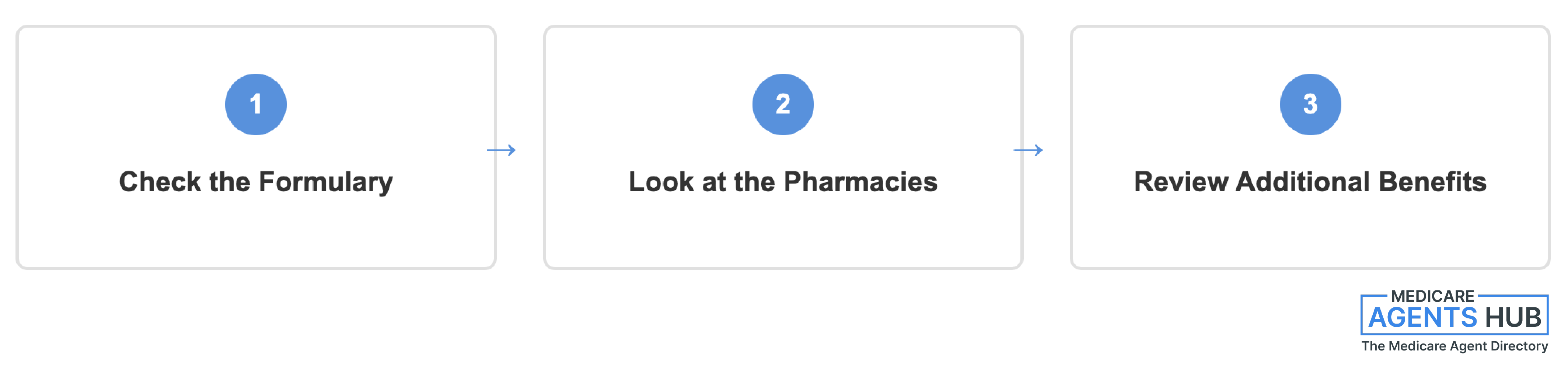
Because insulin and diabetes drugs are so essential, choosing the right Medicare Part D or Advantage plan is one of the most important decisions you’ll make. When comparing options, consider these factors:
-
Check the Formulary - Make sure your insulin and other medications are covered.
-
Look at the Pharmacies - Some plans have preferred pharmacy networks that offer lower copays.
-
Review Additional Benefits - If you use a continuous glucose monitor or need specific supplies, verify that they’re covered.
Final Thoughts
For people living with diabetes, Medicare’s prescription drug coverage is a lifeline. Thanks to recent reforms, insulin is now far more affordable, and beneficiaries have access to a wide range of medications and supplies that support daily management. Yet, because plans can vary in coverage, formularies, and costs, it’s easy to overlook important details. A Medicare agent or broker can simplify the process, helping you compare plans and avoid costly mistakes.
One common pitfall for diabetes patients: using discount cards like GoodRx for medications instead of running them through your Part D plan. While it may seem cheaper in the moment, those savings can actually cost you more on Medicare by keeping purchases from counting toward your annual out-of-pocket cap.
With the right guidance and the right coverage in place, you can spend less time second-guessing your Medicare plan and more time living well with diabetes.