Medicare for Rural Communities: Reaching Underserved Populations

-
October 22, 2025
Reaching seniors in rural communities has always been one of the biggest challenges in Medicare. While major cities are filled with plan options, marketing campaigns, and advisor support, rural areas often go overlooked. For Medicare advisors, however, this gap represents both a responsibility and an opportunity to serve populations that need trusted guidance and to grow a client base in markets that are far less saturated.
Rural America is aging fast. According to data from the U.S. Census Bureau, nearly one in five rural residents is over the age of 65, a higher percentage than in urban areas. Yet many of these seniors face significant barriers when it comes to understanding and enrolling in Medicare coverage that fits their needs. Limited broadband, long distances from medical facilities, and a shortage of local advisors all play a role.
For Medicare agents, stepping up to meet these challenges can make a real difference.
Understanding the Rural Medicare Gap
The Medicare experience for rural beneficiaries looks very different from that of their urban counterparts. In many small towns and remote regions, hospitals are few, healthcare providers are stretched thin, and specialists may be located hours away. This lack of access means that choosing the right type of Medicare coverage (whether Original Medicare, Medicare Advantage, or Medigap) becomes even more critical.
Awareness and understanding are often limited. Many rural residents rely on word of mouth rather than digital research, and they may not have a strong local network of licensed advisors to turn to for guidance. Others still believe they have no choice but to stick with Original Medicare because they assume Medicare Advantage plans aren’t available in their area.
As a Medicare agent or broker, one of the best ways to serve these communities is by bridging the knowledge gap. Helping people understand what plans are available, how network access works, and what resources can support them in managing their care.
The Challenge of Connectivity
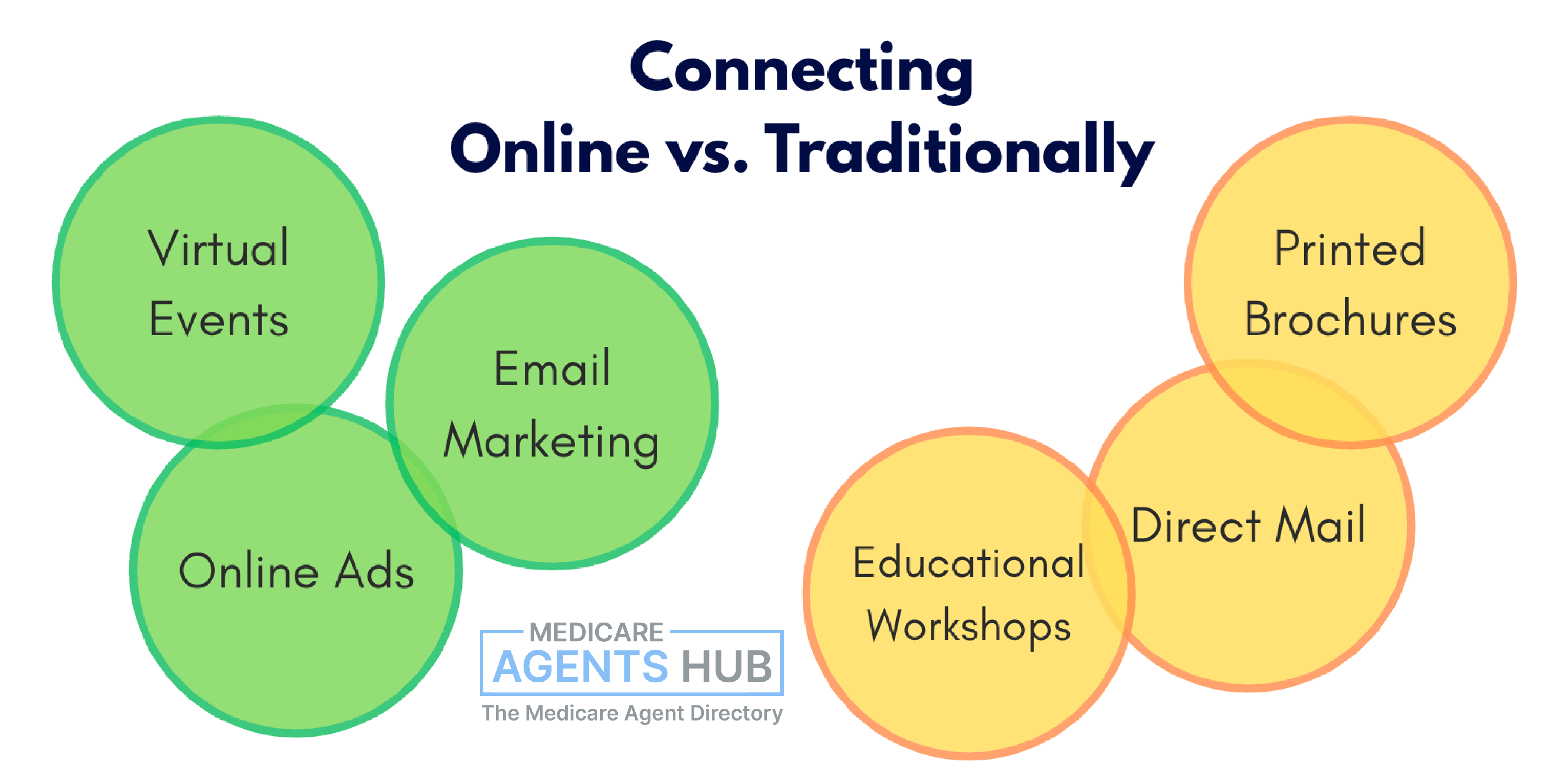
Digital communication plays a major role in modern Medicare marketing, but in rural areas, internet access can be unreliable or unavailable altogether. That creates a unique challenge: how do agents connect with seniors who may not see online ads, respond to emails, or attend virtual events?
Successful rural outreach often comes down to community-based connection. Advisors who build relationships with local organizations; such as senior centers, churches, pharmacies, and hospitals, tend to find the most success. Educational workshops, printed brochures, and direct mail can also still be effective, especially when combined with a personal follow-up call.
Another strategy is to partner with networks that already have a rural presence. Organizations like Medicare Agents Hub help connect beneficiaries living in small towns or remote regions with licensed Medicare advisors who understand rural healthcare dynamics firsthand. By matching rural residents with rural-experienced advisors, beneficiaries gain access to someone who knows their local hospitals, understands transportation limitations, and can recommend plans that actually fit their lifestyle.
For agents, joining a network like this can expand reach, build trust faster, and open doors to underserved communities that truly need guidance.
Why Rural Populations Need Stronger Guidance
Rural beneficiaries face several issues that make proper Medicare guidance essential:
-
Fewer plan options: While some rural counties have fewer Medicare Advantage plans to choose from, new offerings are emerging each year. Advisors who stay current can help clients navigate these evolving choices.
-
Transportation barriers: Many rural seniors travel long distances for care. Plans with transportation benefits or telehealth options can be life-changing, but only if someone helps them understand those benefits.
-
Healthcare provider shortages: Network restrictions matter more in rural areas. An advisor who takes time to verify which doctors or hospitals are covered can prevent major issues down the line.
-
Limited awareness of savings programs: Programs like Extra Help (the federal Low-Income Subsidy that lowers Part D prescription costs) and Medicare Savings Programs (state-run programs that help cover Part A and Part B premiums and cost-sharing) often go unused in rural populations because people simply don’t know they exist.
Each of these issues represents a chance for an agent to step in, educate, and advocate.
The role of a Medicare advisor in rural communities is about more than sales, it’s about helping people access care they might otherwise struggle to find.
Expanding Access Through the Right Partnerships
The future of rural Medicare enrollment will depend on connection. Advisors who can find ways to blend personal outreach with accessible technology will lead the way. Working with organizations that already understand the rural landscape (such as Medicare Agents Hub) can accelerate that process.
Medicare Agents Hub specializes in connecting rural-living beneficiaries with advisors who have experience working in similar regions. This pairing ensures that seniors receive advice that reflects real-world understanding, of everything from transportation challenges to local provider availability. For agents, it’s an opportunity to reach people who truly need their expertise and to grow their client base in areas where competition is minimal.
Moving Forward
For Medicare advisors, rural outreach isn’t just a niche opportunity, but also a meaningful service that addresses a growing national need. As rural hospitals continue to close and healthcare access becomes more limited, seniors will rely more heavily on Medicare plans that offer telehealth, transportation, and prescription coverage flexibility.
By being proactive, educational, and community-minded, advisors can help rural beneficiaries make informed choices that directly improve their quality of life. Whether through local events, partnerships, or trusted referral platforms like Medicare Agents Hub, the goal remains the same: to ensure that every senior can access the care they deserve.