How to Choose a Medicare Agent Near You

-
Last Updated September 21, 2026
If you're trying to figure out how to choose a Medicare agent, you're already asking the right question. The agent you work with can shape the coverage you end up with, what you pay, and how much support you get down the road. It's worth taking the time to find someone who actually fits your needs rather than just going with the first name that pops up.
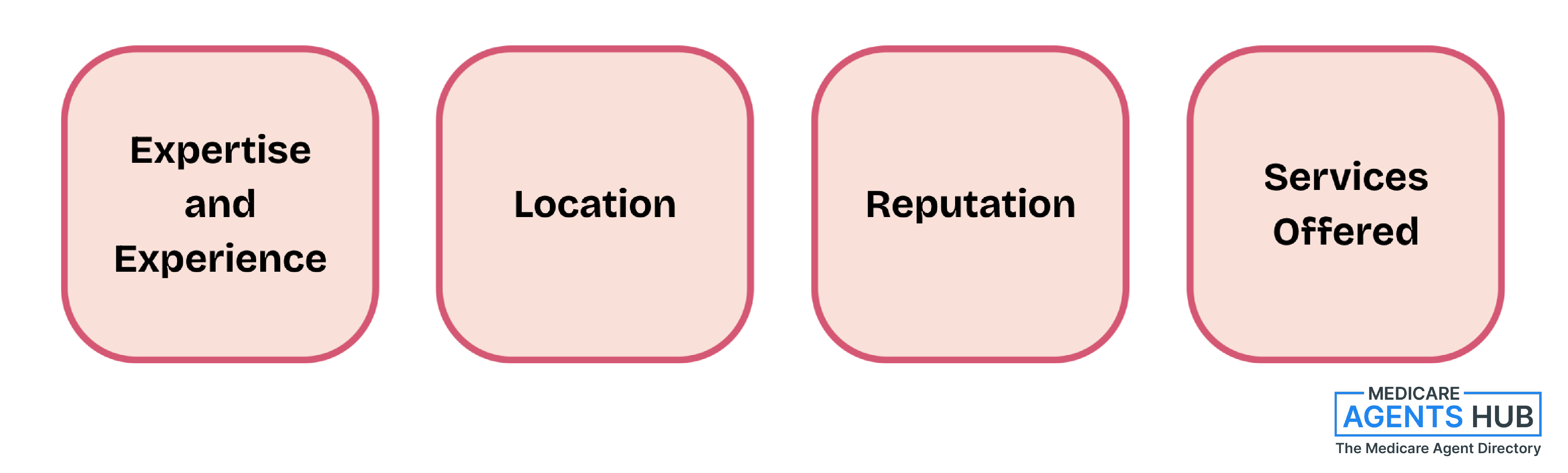
Here are key considerations to keep in mind:
- Expertise and Experience: Look for agents with a solid understanding of all aspects of Medicare.
- Location: Consider local agents who understand your state's specific Medicare options.
- Reputation: Seek out agents with positive testimonials and a good track record.
- Services Offered: Determine if the agent provides the specific services you need.
Finding a Local Medicare Agent Near You
The location of your Medicare agent can significantly impact your experience, which is why we've made it easy to find local Medicare agents licensed in your area.
Local Medicare specialists:
- Have specific knowledge of the Medicare plans available in your state.
- Understand state-specific regulations that may affect your coverage.
- Offer the convenience of face-to-face and telephone meetings, providing a more personalized service.
Learn more about the top benefits of using a local Medicare agent and why proximity matters when working through coverage decisions.
Full-Range Services: Beyond Basic Medicare
Many Medicare specialists offer services beyond basic Medicare plans. When choosing an agent, consider whether they provide advice on:
- Medicare Supplement Plans: Additional coverage that can help with costs not covered by traditional Medicare. See how agents specifically help with Medicare Supplement decisions.
- Prescription Drug Plans: Important for managing medication costs.
- Other Insurance Needs: Some agents also offer life insurance, long-term care insurance, and more, which can be beneficial in managing your overall health and financial wellness.
A licensed agent can walk you through how supplemental coverage works alongside Original Medicare and help you understand which pieces you may actually need. Here's one agent's take on the role that additional coverage plays:

Every year I stress over picking a plan and still end up surprised by the bills. Is there any way to just get peace of mind with Medicare?
Yes of course. Working with an agent in person who is willing to always put your needs and your goals into your Medicare plan will bring lots of peace of mind. When it comes to eliminating bills, you are looking at Medicare Supplement or MediGap plans now because it seems you’d rather pay a monthly premium and not have to worry about paying any bills. If you’re set on Medicare advantage there are other ways to fill those gaps of coverage with alternative insurance policies like a hospital indemnity, accident and/or critical illness plan.Agents vs. Brokers: What's the Real Difference?
You'll see the terms agent and broker used a lot when shopping for Medicare help, and the distinction can be confusing. In practice, the line between the two isn't always as clear-cut as people make it sound.
The traditional explanation is that agents represent one insurance company while brokers represent several. But in the Medicare world, many agents are independent and hold appointments with multiple carriers. That means they can show you plans from different companies, compare options side by side, and help you find coverage that fits your situation. Others may be captive agents who work exclusively with one carrier, which limits what they can offer.
What matters more than the title is understanding a few things about the person you're working with:
- How many carriers do they represent? An agent appointed with multiple carriers can offer broader comparisons than one tied to a single company.
- Are their recommendations based on your needs? A good agent or broker asks about your doctors, medications, budget, and health situation before suggesting a plan.
- Can they explain why they're recommending a specific plan? If someone pushes a plan without explaining why it's a fit for you, that's a concern regardless of their title.
For a deeper look at the full differences between brokers and agents, we break it down in detail. You can also see what agents themselves say about the distinction.
Here's one agent's perspective on what the difference really means for you as a beneficiary:

If Medicare Supplement (Medigap) plans are better for long-term coverage, why don't more people choose them?
Medicare plans are not a "one size fits all" and people who choose Medicare Advantage plans do so for the bundled services (prescriptions, dental, vision, hearing) and little to no monthly premiums. People who choose Medicare Supplement plans are willing to pay monthly premiums for the freedom to see any doctor who takes Medicare without verifying networks. They are willing to purchase stand-alone plans for dental and vision. It comes down to personal preference; people on both types of plans get the care they need.Questions to Ask Before Choosing a Medicare Agent
Before you commit to working with a Medicare agent, it's worth having a real conversation with them first. A good agent won't mind being asked direct questions. In fact, the ones worth working with will welcome it. Here's a checklist to bring with you:
- How many insurance carriers are you appointed with? This tells you whether they can show you a range of options or just one company's plans.
- Are you licensed in my state? An agent must be licensed in your state to sell you a Medicare plan. Don't assume.
- How long have you been working with Medicare clients? Experience matters. Medicare rules change every year, and seasoned agents have seen it all.
- Will you help me during enrollment and after? Some agents disappear after you sign up. Ask about ongoing support and annual plan reviews.
- Can you explain why you're recommending this specific plan? A thoughtful answer here separates good agents from the rest.
- Do you charge a fee for your services? Medicare agents are generally compensated by insurance carriers, not by you. If someone asks for an upfront fee, ask why.
- Can you help with other coverage too? If you have needs beyond Medicare (dental, vision, life insurance), it helps to know whether your agent covers those areas.
We put together a full list of questions agents actually think you should ask, straight from the professionals themselves.
One agent explains how the decisions you make during your first enrollment can follow you for years, which is exactly why asking the right questions up front matters:

What's one piece of advice you wish every senior knew before picking a Medicare plan?
One of the most important things seniors should know is that the decision they make when they first enroll can affect their options and costs for the rest of their lives, especially when it comes to Medicare Supplement plans that may require medical underwriting later.It’s critical to choose a plan not just based on the lowest premium today, but on long-term flexibility, access to doctors, and protection against unexpected healthcare expenses.
Red Flags When Choosing a Medicare Agent
Not every agent has your best interests at heart. While most Medicare agents are licensed professionals who genuinely want to help, there are warning signs worth watching for. If you notice any of these, it may be time to find someone else:
- High-pressure sales tactics. If an agent is pushing you to sign up immediately or creating false urgency outside of a real enrollment window, walk away.
- They won't tell you which carriers they represent. Transparency about their appointments is basic. If they dodge this question, that's a problem.
- No questions about your health, medications, or doctors. An agent who recommends a plan without asking about your situation is guessing, not advising.
- Unsolicited contact. Cold calls, door-to-door visits, or texts you didn't ask for are red flags. Medicare marketing rules exist for a reason, and agents who ignore them may be cutting other corners too.
- Asking for your Medicare number unprompted. Never give out your Medicare Beneficiary Identifier to someone who contacts you out of the blue.
- Badmouthing other plans without specifics. A professional compares plans on the merits. Someone who just tells you another plan is "terrible" without data isn't helping you make an informed choice.
For more on protecting yourself, read about the biggest mistakes seniors make when enrolling in Medicare, many of which can be avoided by working with a trustworthy agent.
Medicare scams targeting seniors are a real problem, and knowing how to protect yourself is part of choosing wisely. This agent shares practical advice on staying safe:

What's the best way for seniors to protect themselves from Medicare-related scams?
The best way to protect yourself against Medicare scams is to guard your Medicare number like a credit card, hanging up on unsolicited calls, and reviewing "Medicare Summary Notices" for fraudulent charges. Never give personal information to strangers, as Medicare never calls, texts, or visits homes uninvited to sell products or demand info.Making Your Selection
Choosing the right Medicare agent involves a careful evaluation of your needs and preferences. Consider starting your search using a reputable directory, like Medicare Agents Hub, or go directly to our find a Medicare agent page, which can help you quickly and easily find licensed Medicare insurance specialists in your area. By focusing on the agent's expertise, the range of services offered, and their location, you can make a solid choice that will help you sort through the details of Medicare with confidence.
Remember, the right Medicare agent is not just an advisor, but a partner in managing your health care coverage as you age. Prioritize your needs, ask questions, and choose an agent who aligns with your expectations and values. For more on how Medicare agents help you choose the right plan, explore what the process looks like from start to finish.
If you're just getting started with Medicare, our guide on what every senior should know before choosing a Medicare plan can help you prepare for those conversations with your agent.
If you still don't feel confident picking an agent yourself, that's okay. Simply click here to get matched with a licensed agent in your area.
Getting matched means we'll connect you with a licensed specialist based on your location and coverage needs. Here's an agent explaining what that process looks like:

My Medicare Advantage plan denied coverage for a specialist I need to see. What are my options now?
Denials for coverage happen for various reasons. First, contact your agent for help. You should always be using a licensed, knowledgeable agent just for this reason.Aside from that, check to make sure that the specialist is in the network. Does that carrier require a referral or prior authorization to see this specialist? Contact the insurance carrier and ask the reason for the denial and say, "What needs to happen so that I can get this request approved?" You may have to see another specialist, but if this is important to you, please remember to exercise your right to file an appeal with the carrier.
Frequently Asked Questions
Is it better to work with a local Medicare agent?
In most cases, yes. A local agent understands the plans available in your area, knows which carriers have strong provider networks near you, and can meet with you in person if that's your preference. That said, many agents work effectively over the phone and by video too. What matters most is that they're licensed in your state and familiar with your local options.
What should I ask a Medicare agent before enrolling?
Start with the basics: how many carriers they represent, how long they've worked with Medicare clients, and whether they'll be available to help you after enrollment. Ask them to explain why they're recommending a particular plan for your situation. A good agent should be able to answer all of these without hesitation.
What is the difference between a Medicare agent and a broker?
The terms are often used interchangeably, and in the Medicare world the distinction is less rigid than in other types of insurance. The key difference is whether someone works with one carrier or several. Many Medicare "agents" are actually independent and appointed with multiple companies, which allows them to compare plans across carriers, similar to what a broker does.
Can a Medicare agent help after I enroll?
Yes, and this is one of the biggest benefits of working with an agent. A good agent will check in annually to review your plan, help you understand any changes to your coverage, and assist with switching plans during enrollment periods if your needs have changed. If your agent disappears after enrollment, consider finding one who offers year-round support.
Does it cost money to use a Medicare agent?
No. Medicare agents are compensated by insurance carriers through commissions, not by you. You should never be asked to pay a fee for help enrolling in a Medicare plan. If someone asks you for money, that's a red flag.
